Are Heritage Aluminium Windows Thermally Efficient? | Decorio
May 18, 2022

By Scott Hilton

May 18, 2022
The slim frames and traditional glazing patterns of heritage windows may look as though they belong to another era, but that does not mean their performance has to.
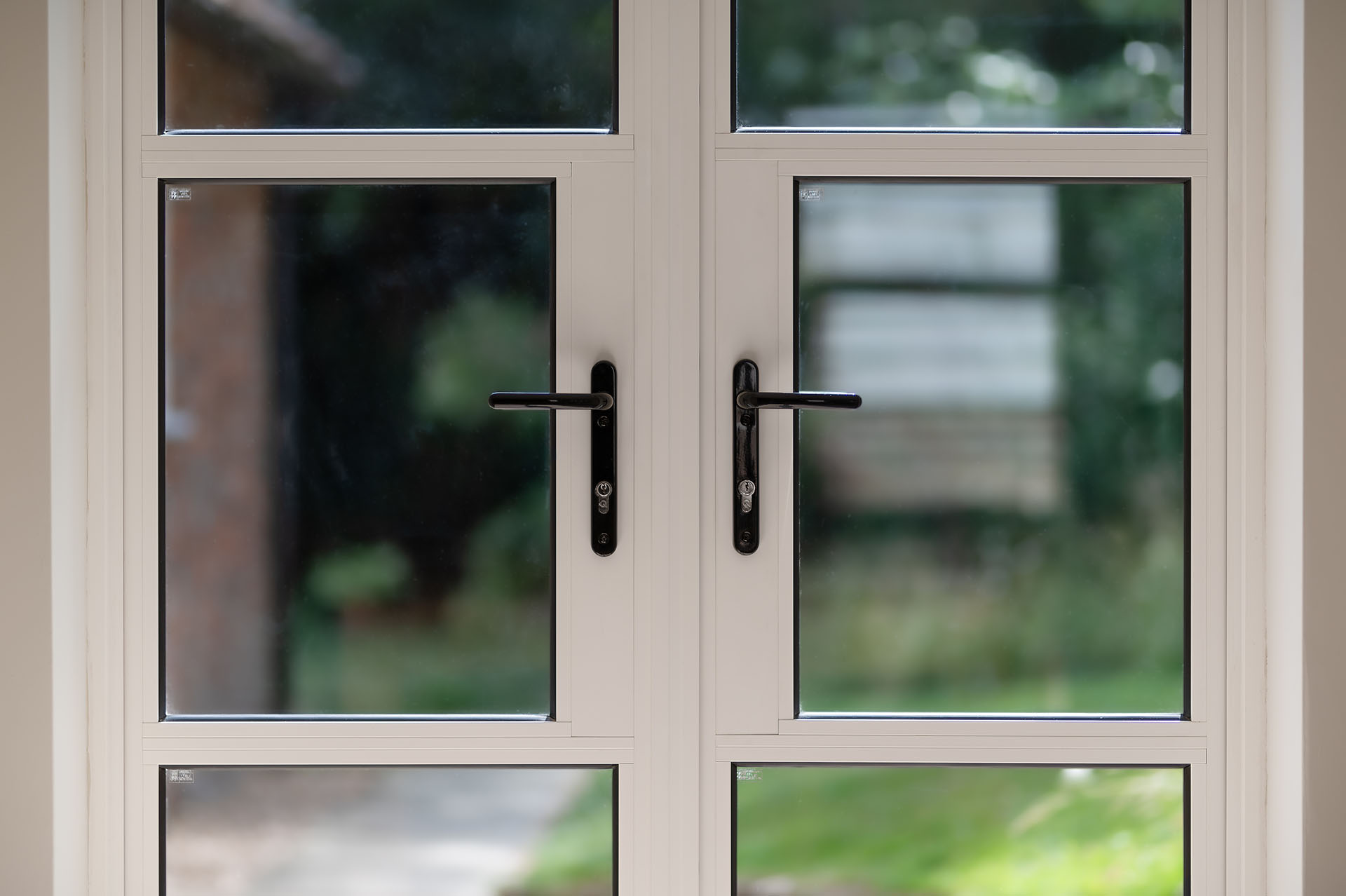
Modern heritage-style aluminium windows and doors combine the appearance of traditional steel glazing with thermally broken frames, high-performance double glazing and weather-resistant seals. This allows homeowners to retain the character of a period property or create a steel-inspired look without relying on older, poorly insulated window technology.
But what actually makes a heritage window thermally efficient, and what should you compare before choosing a system?
Original single-glazed steel and timber windows can contribute to uncomfortable rooms during winter.
Common problems include:
These issues can make a room feel cold even when the heating is running. Replacing older units with modern, correctly installed windows can help reduce unwanted heat loss and cold draughts.
However, thermal performance depends on the complete window. The frame, glazing, seals, configuration and quality of installation all matter.
Aluminium is naturally strong, durable and well suited to producing exceptionally slim frames. However, aluminium also conducts heat effectively.
A modern external aluminium window therefore requires a thermal break. This is an insulating section positioned between the internal and external parts of the aluminium profile.
The thermal break interrupts the direct path through which heat would otherwise travel across the frame. This helps reduce heat transfer, improves the overall thermal performance of the window and makes the internal frame surface less susceptible to becoming extremely cold.
Decorio heritage alumiium windows and external doors use thermally broken aluminium profiles to combine slim steel-look sightlines with the performance required from a modern external glazing system.
It is important to distinguish these from internal aluminium doors and screens. Internal systems divide rooms within the home and are not designed to provide the same weather or thermal performance as an external window or door.
The glass occupies most of a window’s total area, so its specification has a significant effect on performance.
Double glazing contains two panes of glass separated by a sealed cavity. This cavity creates an insulating barrier that reduces the rate at which heat passes through the glass.
Depending on the required specification, an insulated glass unit can also incorporate:
Your installer should recommend a glass specification that suits the window system, property and relevant building requirements.
Although double glazing can reduce heat loss, no window prevents it entirely. The objective is to slow that transfer and create a more comfortable internal environment.
A U-value measures how readily heat passes through a building element. For windows and doors, it is normally expressed in watts per square metre kelvin, or W/m²K.
The basic rule is simple:
The lower the U-value, the better the thermal performance.
However, homeowners need to be careful when comparing quoted figures. A glass U-value only measures the centre pane of the insulated glass unit. A whole-window U-value also accounts for the frame, glass, spacer and other components.
When comparing quotations, ask whether the stated figure refers to:
This prevents a high-performing glass value from being mistaken for the performance of the finished product.
The Energy Saving Trust similarly advises that a U-value measures how easily heat passes through a window, while noting that it is not the only factor affecting overall energy performance. Read its guide to energy-efficient windows and doors.
Even a well-designed window or door can underperform when it is incorrectly measured, fitted or sealed.
Poor installation can leave gaps around the outer frame, allowing unwanted air leakage or water ingress. Correct fitting is therefore an essential part of the finished product’s performance.
A professional installer should:
Decorio is a trade-only manufacturer, so our products are supplied and installed through home-improvement companies rather than sold directly to homeowners. We can help connect you with an experienced local installer to discuss the requirements of your property.
Heritage-style aluminium windows are often selected for renovations where the proportions and character of the original glazing are important.
Their slim frames and glazing bars can complement:
They can provide a practical replacement for ageing steel or timber windows, but homeowners should still investigate any planning restrictions before ordering.
Living in a conservation area does not automatically prevent you from fitting aluminium windows. However, permission may depend on the property, its location and the proposed design. Listed buildings are subject to additional controls.
Read our guide to steel-look windows and doors in conservation areas for more information.
Keeping a home comfortable during winter involves more than insulation alone.
External windows and doors must also manage wind and rain. This is where gaskets, seals, drainage and threshold design become important.
PAS 24 and Document Q should not be used as evidence of weather resistance. PAS 24 is a security standard, while Document Q concerns security requirements for new dwellings.
Weather performance is assessed separately. Decorio external doors fitted with the appropriate weathered threshold can meet BS 6375 Part 1 requirements for resistance to air permeability, water tightness and wind.
You can learn more in our guide to .
Creating a heritage look does not mean accepting the shortcomings of old steel or single-glazed windows.
Thermally broken aluminium frames, modern double glazing and correctly designed seals can provide improved comfort while retaining the slim sightlines and geometric detailing that give heritage glazing its distinctive character.
Explore the complete Decorio external collection, including heritage-style windows, single doors and French doors.
Decorio manufactures to order in the UK and supplies through professional installation companies. Tell us about your project, and we will help connect you with a suitable installer covering your area.