Steel-Look Windows & Doors for Conservation Areas
December 10, 2025

By Scott Hilton
December 10, 2025
Living in a conservation area is a privilege — but it also comes with responsibility. Whether your home is a Victorian terrace in London, a stone cottage in the Cotswolds, or a 1930s semi in Surrey, preserving architectural character is essential.
When upgrading windows and doors, homeowners must meet strict conservation rules while still improving warmth, security, and long-term performance.
That’s where heritage aluminium — also known as steel-look, industrial-style, or industrial-effect glazing — has become the go-to solution across the UK.
Local authorities designate conservation areas to preserve buildings and streets with architectural or historic significance. If your home sits within one—whether in Edinburgh, Cambridge, Oxfordshire, York, or central London—you must ensure that any external change respects the original appearance of the street. Conservation officers typically expect:
Many period and early 20th-century homes originally featured steel-framed windows. Modern steel-look and industrial-style aluminium systems recreate this distinctive aesthetic while delivering impressive improvements in energy efficiency and security.
Industrial-style or industrial-effect aluminium systems are modern frames crafted to mirror the refined proportions of traditional steel glazing. They typically feature:
These characteristics allow industrial-style aluminium to sit naturally within conservation settings. Unlike traditional steel—which is heavy, costly, and prone to rust—heritage and industrial-effect aluminium use thermally broken profiles engineered to stay slim and strong.
Homeowners benefit from improved insulation, reduced maintenance, easier handling, and greater design flexibility. As these systems replicate the look planners expect while meeting modern performance standards, they are increasingly the preferred choice for conservation area renovations.
.jpg)
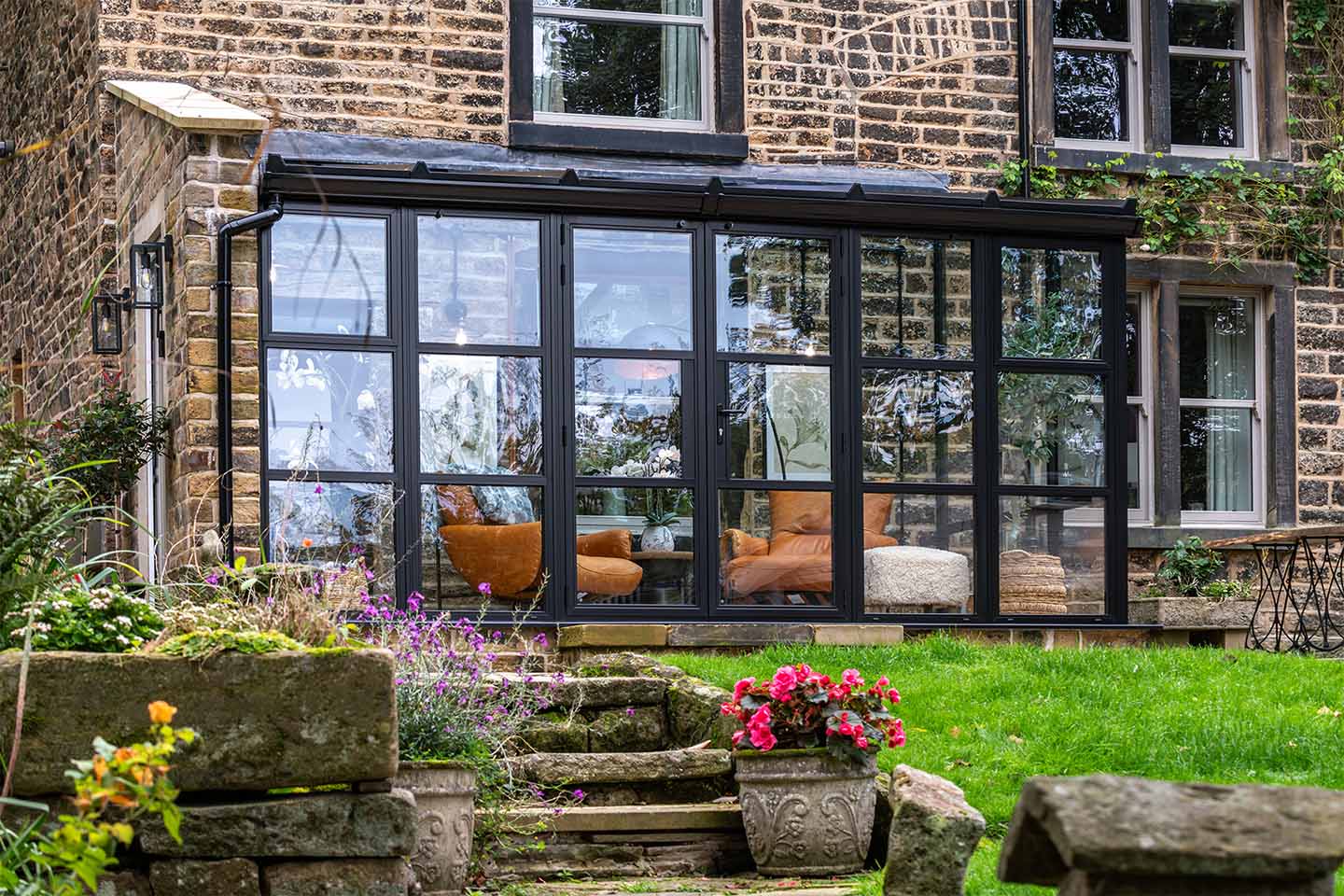
Steel-look and industrial-style aluminium frames closely mirror the distinctive character of classic steel windows. Their slender sightlines and crisp detailing help preserve the architectural rhythm of façades, complementing a wide range of period properties, including Victorian and Edwardian homes, Arts & Crafts cottages, 1930s and Art Deco houses, converted barns, and industrial conversions. This strong visual authenticity often supports planning applications, helping projects progress more smoothly.
Original steel windows are typically single-glazed and uninsulated. Steel-look and industrial-style aluminium windows address this with modern engineering, including thermal breaks, Low-E glass, and high-performance double glazing. These systems achieve U-values compliant with UK building regulations and significantly improve comfort and warmth—benefits homeowners notice immediately.
Aluminium is naturally resistant to rust, swelling, and warping, making it dependable across a wide range of environments. Powder-coated finishes maintain their appearance for decades with minimal upkeep. Particularly valuable for coastal locations, exposed countryside homes, or busy urban streets.
Although slim, steel-look aluminium frames offer exceptional strength. Multi-point locks, toughened or laminated glass, and robust frame construction provide far better security than ageing timber or original steel, ensuring peace of mind without affecting aesthetics.
Heritage aluminium systems, such as Decorio, offer far greater versatility than original steel. Popular configurations include casements, fixed panes, French doors, and bi-folding doors—all available in steel-look or industrial-style finishes. With more than 200 RAL colours available, including deep heritage blacks, soft neutrals, and rich greens, homeowners can tailor both exterior and interior styling. Dual-colour options allow flexibility where planning requires a specific external tone.
The exceptionally slim sightlines also maximise natural light, making industrial-style glazing a favourite for homeowners who want a brighter home without altering the building's external structure.
Conservation rules vary between councils, so always check your local guidance. Essential factors include listing status, any Article 4 directions, accepted materials, glazing bar layouts, and approved colour palettes.
Many councils now support heritage aluminium when it accurately replicates the original aesthetic. Providing clear documentation—product specifications, technical drawings, and realistic visuals—helps planning officers assess suitability. Brands such as Decorio also offer dedicated conservation specifier packs, providing planning teams with detailed information demonstrating how steel-look aluminium meets both visual and performance requirements. Including these documents often streamlines approvals.
Steel-look and industrial-style aluminium generally sit above uPVC but below genuine steel in price. However, long-term value is where these systems shine. When budgeting, consider:
Most homeowners view heritage aluminium as a long-term upgrade that enhances both comfort and resale value. Read up on Aluminium Vs Steel and discover if aluminium is the correct option for you and our project.
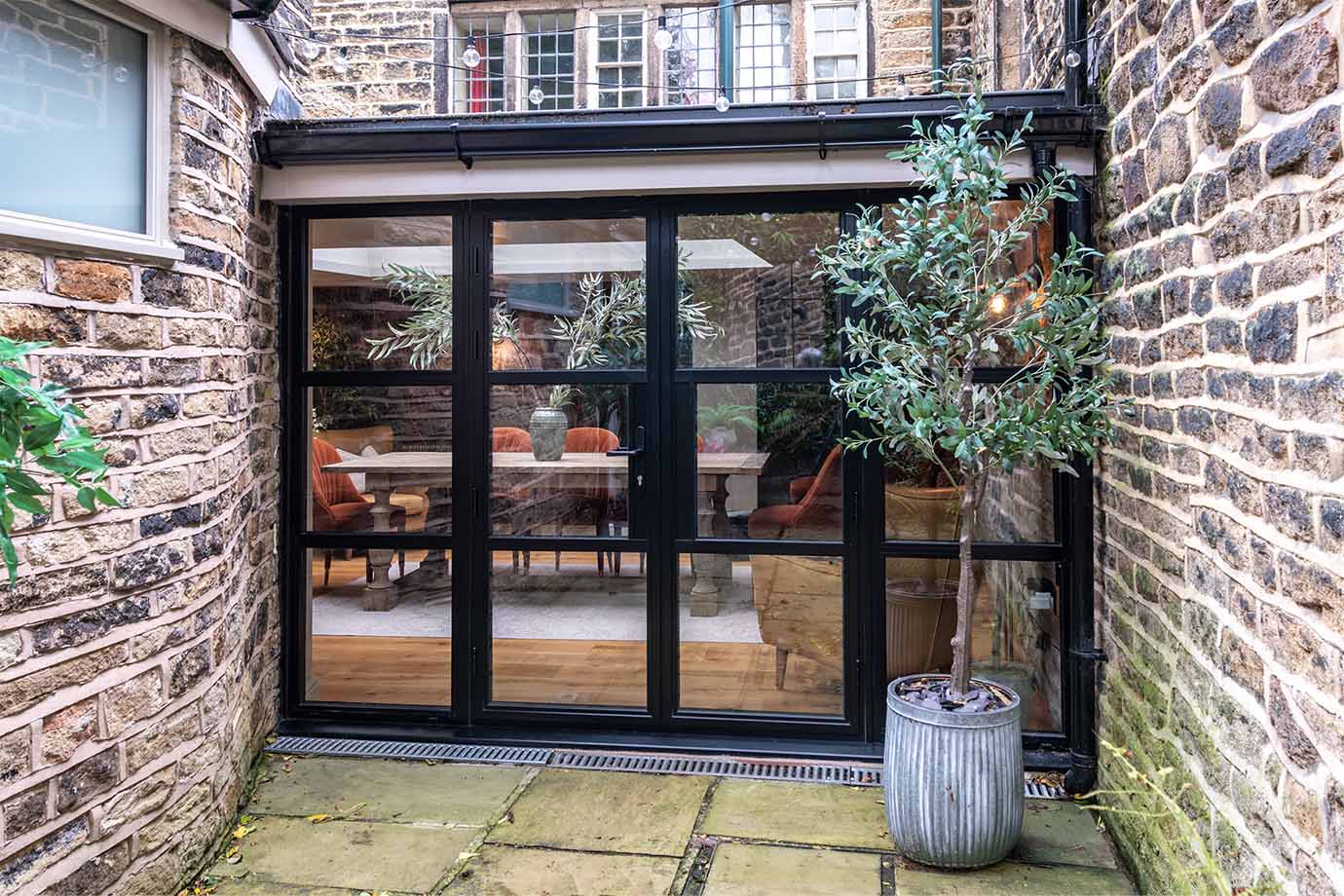
High-quality installation is critical in conservation areas. Your installer should understand heritage aesthetics, local planning expectations, and traditional sightline requirements. Decorio works with specialist installers experienced in conservation projects, ensuring compliance and a finish that respects both the home and the surrounding streets.
Heritage aluminium performs exceptionally well from a sustainability perspective. Aluminium is fully recyclable and has a long lifespan, significantly reducing replacement frequency. Its improved thermal performance also helps lower energy consumption, making steel-look and industrial-style glazing an excellent, environmentally responsible choice.
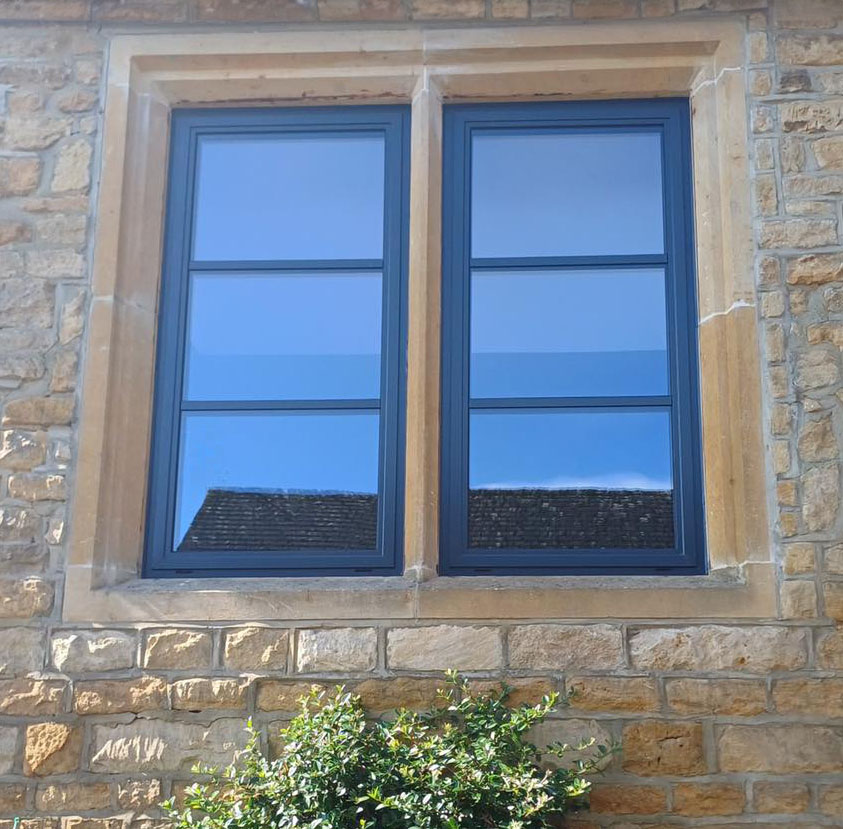
Steel-look aluminium and industrial-style windows and doors offer a rare combination for conservation area homes: authentic heritage aesthetics, modern engineering, compliance with planning expectations, and long-lasting, low-maintenance performance. Whether you live in a Georgian townhouse in London or a coastal home in Devon, the Decorio steel-look aluminium system provides a stylish, future-proof way to preserve your property's character while upgrading your comfort.
If you're ready to begin your conservation journey, contact us directly for technical documents specifically designed for planning officers. Decorio's steel-look and heritage-style aluminium range has already been used successfully in conservation areas across the UK, thanks to its authenticity, slim profiles, and specialist support.
Get in touch today. Complete our online contact form or call us directly on 01253 888250.